
250 Years of America. Thousands of Years of American Turquoise.
As America celebrates 250 years as a natation, I’ve found myself thinking about something that’s been here much longer than any of us. Long before there were state lines or highways… Before there was a declaration of independence… Before anyone called this place America… There was turquoise.
It waited quietly beneath the mountains of the southwest until someone discovered its beauty. And ever since, it has connected people to this land in ways few other treasures ever have.
People often ask me why turquoise matters so much.
Maybe they’re expecting me to talk about the color. Or the value. Or which mine produced the prettiest blue.
But the truth is… turquoise has never just been a stone.
It’s history you can hold in your hand.
Long before there was a United States… before there were state lines, highways, or railroads… people were already walking the deserts and mountains of what we now call the American Southwest searching for this remarkable blue treasure.
Some of the oldest known turquoise mines in North America are found in the Cerrillos Hills of New Mexico, just south of Santa Fe. Archaeologists believe Indigenous people were mining turquoise there more than a thousand years ago, using nothing more than stone hammers, antler tools, and an incredible understanding of the land. Turquoise from Cerrillos has even been chemically matched to artifacts discovered hundreds of miles away at Chaco Canyon, proving that this wasn’t simply decoration – it was part of an extensive trade network that connected cultures across the Southwest.
Imagine that for a moment.
Before America had roads, there were already trade routes.
Before there was commerce as we know it, there were people exchanging turquoise as something precious enough to carry across deserts and mountains.
That's the first thing I always want people to understand...
American turquoise didn’t become valuable because jewelers decided it should be.
It was valuable because countless generations of people believed it carried meaning.
For many Native peoples – including Pueblo, Navajo, Apache, Zuni, and others throughout the Southwest – turquoise represented life, water, protection, prosperity, and a connection between the earth and the sky. Every tribe has its own traditions and beliefs, and no single story speaks for them all, but one thing remains remarkably consistent, turquoise was never treated as just another rock. It was respected. It still is.
Nature only made turquoise where the conditions were just right.
Unlike minerals that occur almost everywhere, gem-quality turquoise forms only under a very specific combination of copper, aluminum, phosphorus, water, and time. That’s why most of the world’s significant deposits are concentrated in relatively few places, and why the American Southwest became one of the world’s great turquoise regions.
Arizona. Nevada. New Mexico. Colorado. Small pockets in California.
Every mine tells a different story because every mountain tells a different geological experience.
That’s why Bisbee doesn’t look like Kingman.
Kingman doesn’t look like Sleeping Beauty.
Sleeping Beauty doesn’t look like Royston.
And Royston certainly doesn’t look like Cerrillos.
Each mine has its own fingerprint.
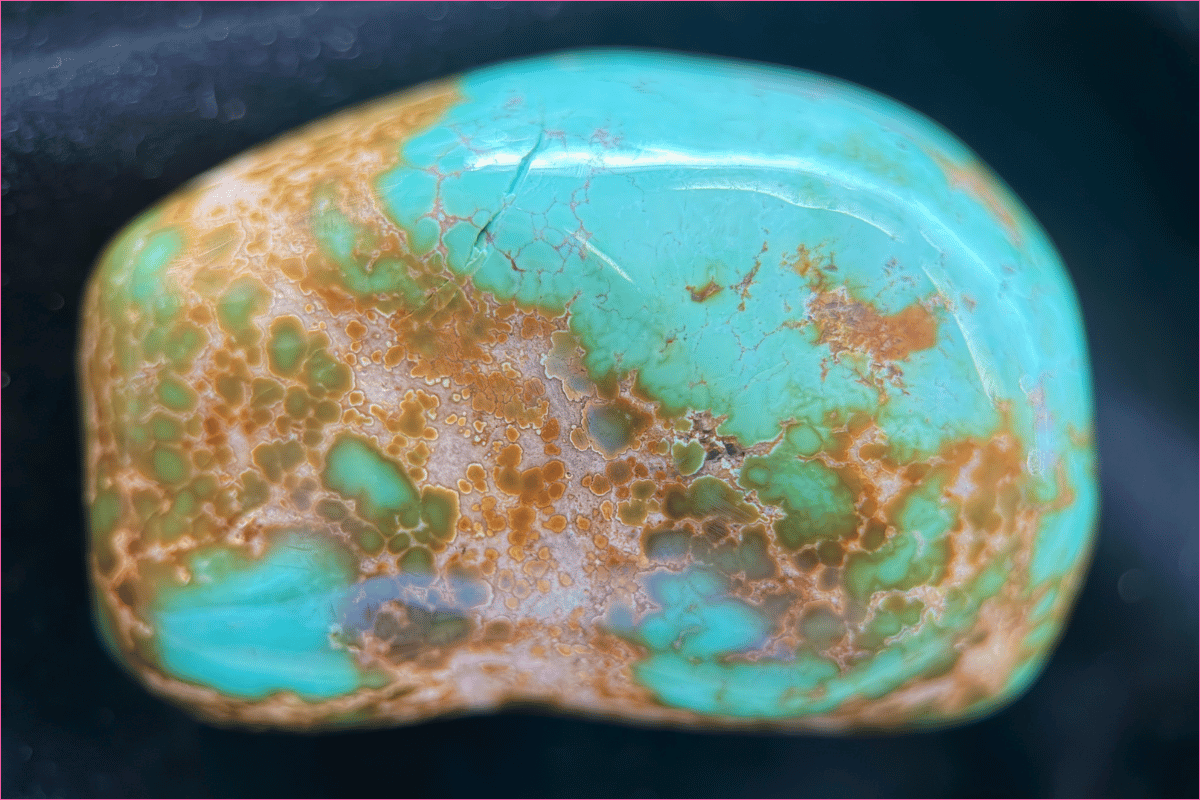
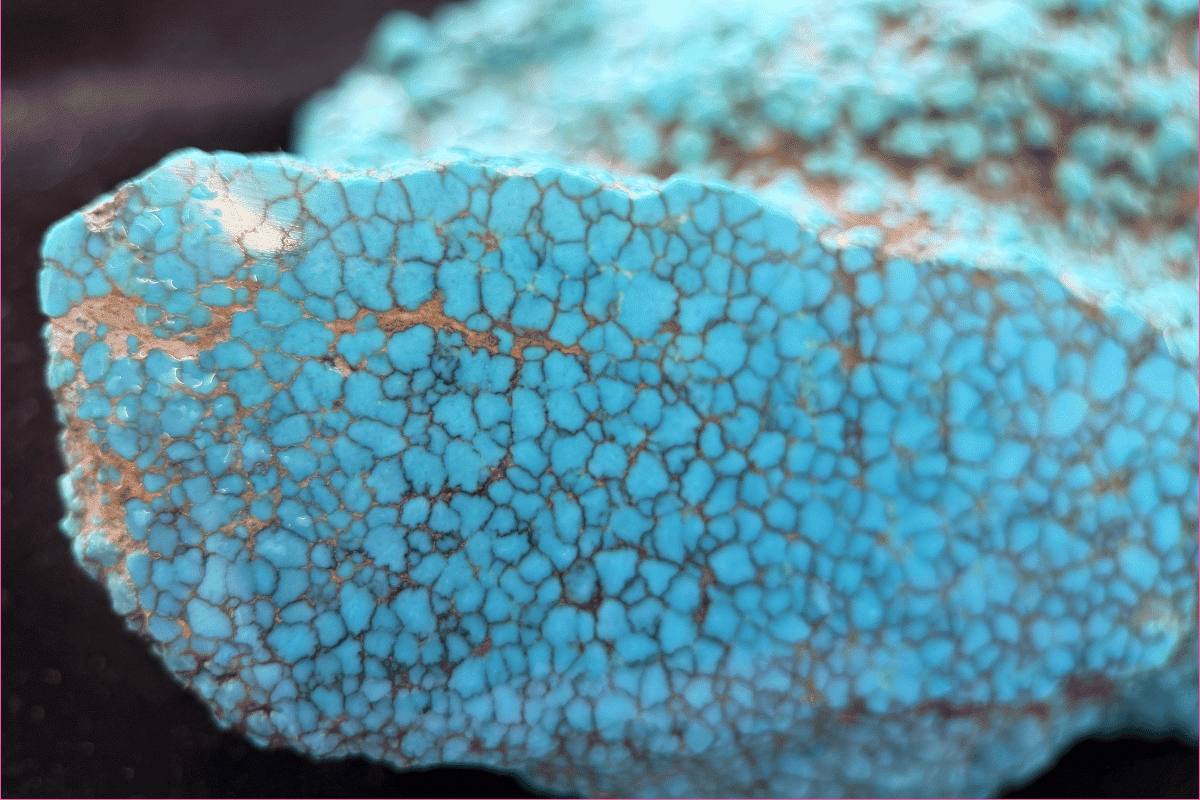
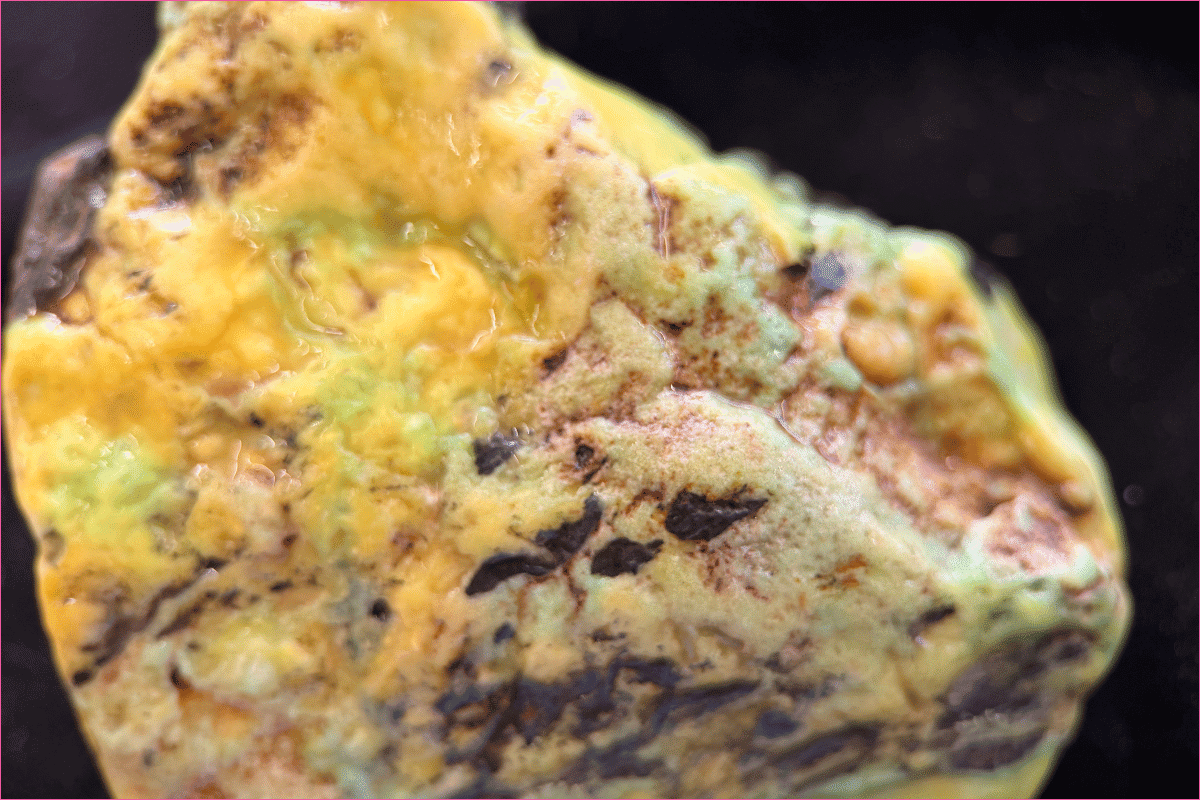
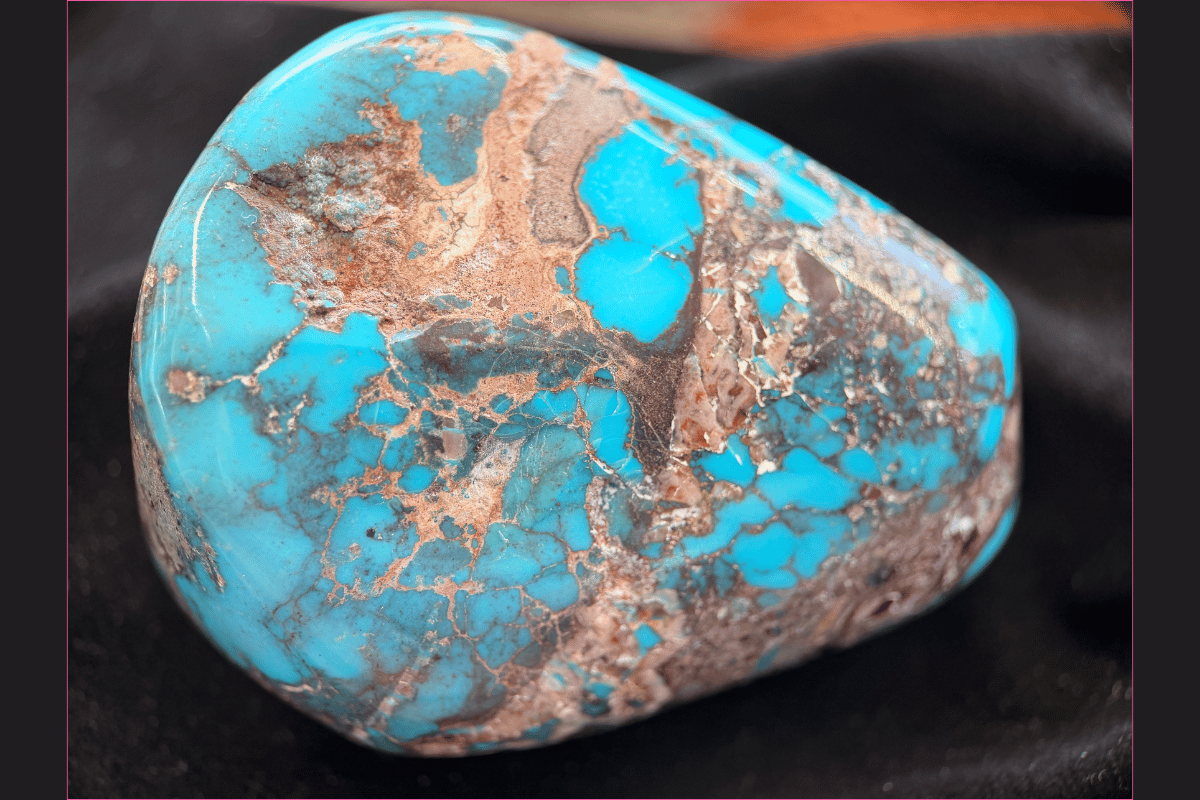
One of my favorite things about American turquoise is that you can often identify where it came from just by looking at it. The matrix, the shade of blue, the hints of green, the webbing – even the hardness – can reveal the mountain that created it. Its geology IS its signature.
The history of mining changed dramatically as America grew.
For centuries, Indigenous miners recovered turquoise using hand tools. By the late 1800s, commercial mining expanded alongside copper mining throughout Arizona and New Mexico. Until the 1920s, New Mexico was America’s leading producer. Later, Arizona and Nevada became the dominant sources, with famous mines like Kingman, Bisbee, Number 8, Sleeping Beauty, Royston, Carico Lake, and many others helping define what collectors today call “American turquoise.”
Here’s something many people don’t realize.
Most famous American turquoise mines aren’t producing today.
Some are exhausted.
Some closed because copper became more valuable than turquoise.
Others simply became too expensive to operate.
That means every year there is a little less genuine American turquoise entering the marketplace.
Unlike diamonds that can be mined on an industrial scale around the world, or gemstones that have multiple global sources, every piece of natural American turquoise comes from a limited number of mountains that can never be replaced.
When a mine closes... that's it.
The mountain has already told its story.
As America celebrates its 250th birthday, I find myself thinking about that.
We often celebrate the people who built this country.
The explorers.
The ranchers.
The miners.
The artists.
The entrepreneurs.
But American turquoise connects nearly every chapter of that story.
It existed before America.
It was treasured by the first peoples who called this land home.
It became part of frontier mining.
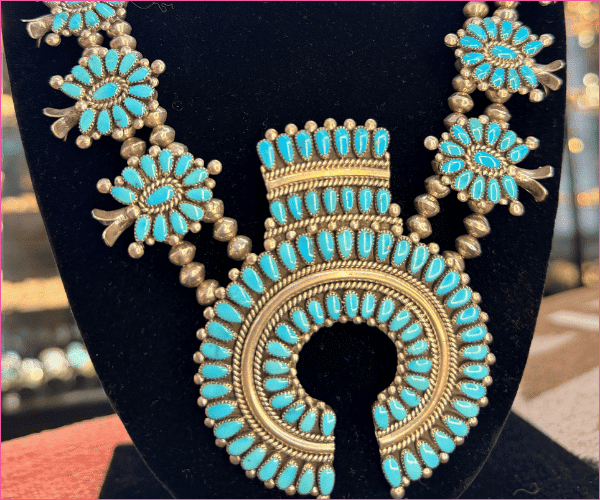
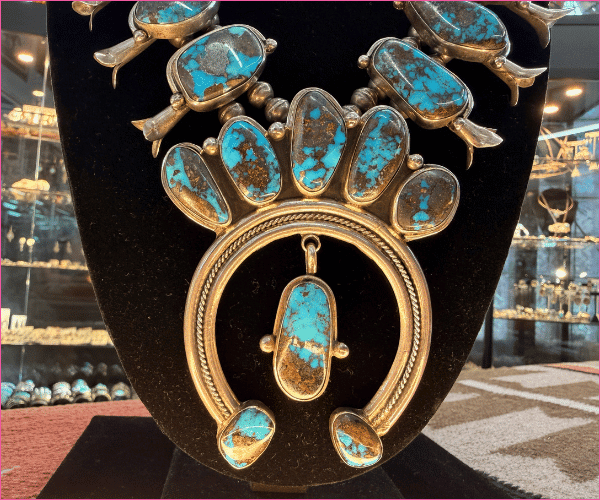
It found its way into Native American jewelry that is admired around the world.
And today it continues to inspire artists who transform rough stone into something families will treasure for generations.
That’s a remarkable journey for one mineral.
At Sunwest, we’re fortunate enough to work with turquoise from many of these legendary American mines.
Every stone we handle reminds us that we’re only temporary caretakers.
The mountain created it.
Someone discovered it.
Someone carefully mined it.
Someone cut it.
Someone designed around it.
Someone handcrafted it into jewelry.
And someday it will become part of another family’s story.
That’s why I never look at turquoise as inventory.
I look at it as American history… polished just enough for the next generation to carry.